ADVERTISEMENT
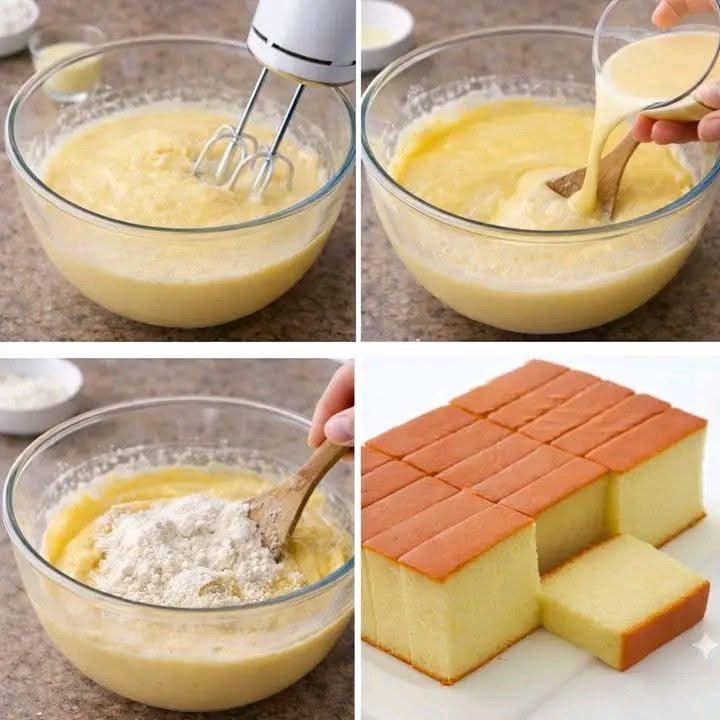
Achieving that perfect, cloud-like texture in your Soft Milk Sponge Cake is all about precision and gentle handling. Here are some essential tips to ensure your cake turns out beautifully every time:
- Room Temperature Ingredients are Key: This is perhaps the most crucial tip for any baking, but especially for sponge cakes. Room temperature eggs whip up to a greater volume, and room temperature milk and oil emulsify better, leading to a smoother, more uniform batter. Plan ahead and take your eggs and milk out of the refrigerator at least 30 minutes to an hour before you start baking.
- Sift Your Flour (and other dry ingredients!): Don’t skip this step! Sifting cake flour, baking powder, and salt together not only removes any lumps but also aerates the dry ingredients, making them lighter and easier to incorporate into the wet batter. This helps prevent overmixing and ensures a tender crumb.
- Whip Egg Whites to Perfection: The volume and stability of your meringue are critical for the cake’s lift and airy texture. Ensure your bowl and beaters are absolutely clean and free of any grease or egg yolk, as even a tiny amount can prevent the whites from whipping properly. Beat until firm, glossy peaks form that hold their shape. The cream of tartar helps stabilize the egg whites, making them less likely to deflate.
- Gentle Folding is Non-Negotiable: Once your egg whites are whipped, the goal is to incorporate them into the batter without deflating all that precious air you’ve worked so hard to create. Use a rubber spatula and a gentle, “cut-and-fold” motion. Slice down through the center of the batter, then sweep your spatula across the bottom of the bowl and up the side, turning the bowl as you go. Stop as soon as no streaks of white remain; over-folding will lead to a dense cake.
- Don’t Overmix the Batter: When combining the dry ingredients with the wet ingredients, mix only until just combined. Overmixing develops gluten in the flour, which can result in a tough, chewy cake rather than a tender, soft one.
- Accurate Oven Temperature: An accurate oven temperature is vital for even baking and proper rising. If your oven tends to run hot or cold, consider using an oven thermometer. Baking at too high a temperature can cause the cake to rise too quickly and then collapse, while too low can result in a dry cake.
- Cooling Upside Down: This might seem unusual, but inverting the cake immediately after baking and letting it cool upside down on a wire rack is essential for sponge cakes. This prevents the cake from shrinking or collapsing under its own weight as it cools, helping it maintain its height and delicate structure.
Variations:
See more on the next page to continue reading →
ADVERTISEMENT