ADVERTISEMENT
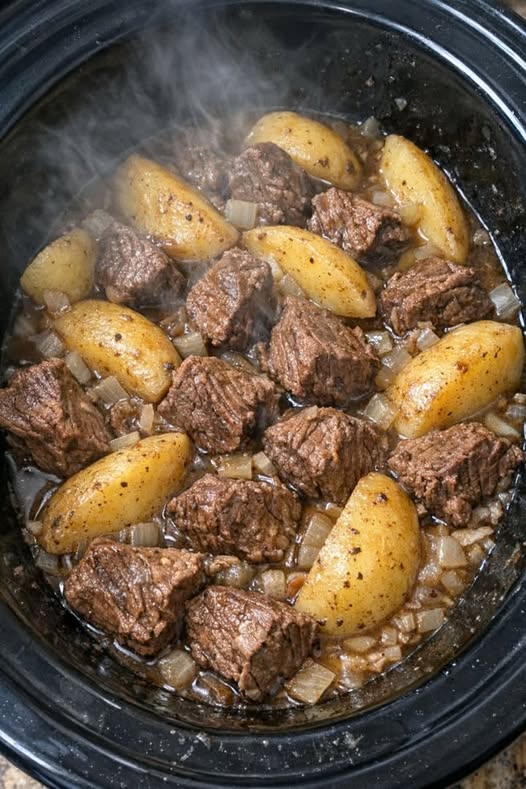
To keep the spirit of a Depression era recipe, the base stays at four core ingredients: beef, potatoes, onion, and broth. Everything else is optional and can be adjusted based on what you have on hand. For a slightly richer flavor, you can brown the beef chunks in a hot skillet with a bit of oil before adding them to the slow cooker; this isn’t necessary, but it adds a deeper, roasted note to the final broth. If you’d like a more pronounced onion flavor, use two onions instead of one, or substitute a sweet onion for a mellower profile. For a thicker, stew-like texture, you can mash a few potato pieces into the broth at the end of cooking, or stir in a slurry of 1 tablespoon flour mixed with 2 tablespoons water and let it cook on HIGH for an additional 15 minutes. To stretch the meal economically, add a few peeled, sliced carrots or parsnips to the potato layer—these were common Depression era additions when vegetables were available. If sodium is a concern, choose low-sodium beef broth and season lightly at the start, adding more salt only at the end after tasting. Food safety tips: Always start with fresh, properly refrigerated beef, and keep it chilled until you’re ready to load the slow cooker. Do not use frozen beef directly in the slow cooker; thaw it in the refrigerator first so it reaches a safe temperature quickly and evenly. Make sure your slow cooker is at least half full but not more than about three-quarters full to maintain safe, consistent heating. Once the cooking time is complete, keep the slow cooker on the WARM setting if serving over a couple of hours, and refrigerate leftovers within 2 hours of cooking in shallow containers so they cool promptly. Reheat leftovers to a simmering temperature before serving.
ADVERTISEMENT