
Step by Step Method
Preparing Your Vegetables
The first thing you need to do is prepare all your vegetables so that they are ready to go into the oven. Start by washing the broccoli, carrots, and potatoes under cool running water to remove any dirt or debris. Once they are clean, take your knife and carefully cut the broccoli into small florets. You want them to be small enough to fit on a spoon but large enough to keep some of their shape during the baking process. Next, peel your carrots and slice them into thin circles. Try to keep the slices around the same thickness so that they all cook at the same speed. After the carrots are done, move on to the potatoes. Peel them and cut them into cubes that are about one inch in size. Cutting them into cubes helps them soften up perfectly while they are in the oven. Finally, chop your white onion into small pieces and mince the garlic cloves as finely as you can. Set all these prepared vegetables aside in separate bowls for a moment while you move on to the next task.
Preheating the Oven
Before you start mixing everything together, you should turn on your oven so it can reach the correct temperature. Set your oven to 375 degrees Fahrenheit. This temperature is high enough to cook the vegetables until they are tender while also melting the cheese and browning the breadcrumbs without burning them. While the oven is warming up, you can take a large baking dish and grease it with a little bit of butter or a light spray of cooking oil. This step is very important because it prevents the vegetables and cheese from sticking to the bottom and sides of the pan, which makes it much easier to serve the meal and clean the dish later.
Blanching the Harder Vegetables
Since carrots and potatoes take longer to cook than broccoli, it is a very good idea to boil them for a few minutes before putting them in the casserole. Fill a large pot with water and add a pinch of salt. Bring the water to a rolling boil and then carefully add the potato cubes and carrot slices. Let them cook in the boiling water for about five to seven minutes. You do not want them to be completely soft yet, just slightly tender. After the time is up, drain the water using a colander and rinse the vegetables with cold water to stop the cooking process. This simple step ensures that every vegetable in your finished casserole has the perfect texture and that you do not end up with hard pieces of potato in your meal.
Making the Creamy Sauce
Now it is time to create the delicious sauce that will bind all the ingredients together. Place a small saucepan over medium heat and add two tablespoons of butter. Once the butter has melted and starts to bubble slightly, add the chopped onions and cook them for about three minutes until they become soft and clear. Add the minced garlic and cook for another minute until you can smell that wonderful garlic aroma. Next, sprinkle the two tablespoons of flour over the onions and garlic. Stir it constantly for one minute to create a thick paste known as a roux. Slowly pour in the two cups of cream or milk while continuing to stir. It is important to pour slowly and stir well to avoid any lumps from forming. Keep cooking the sauce over medium heat until it starts to thicken and look like a smooth gravy. Once it is thick, remove the pan from the heat and stir in the salt, black pepper, oregano, and thyme.
Mixing and Layering
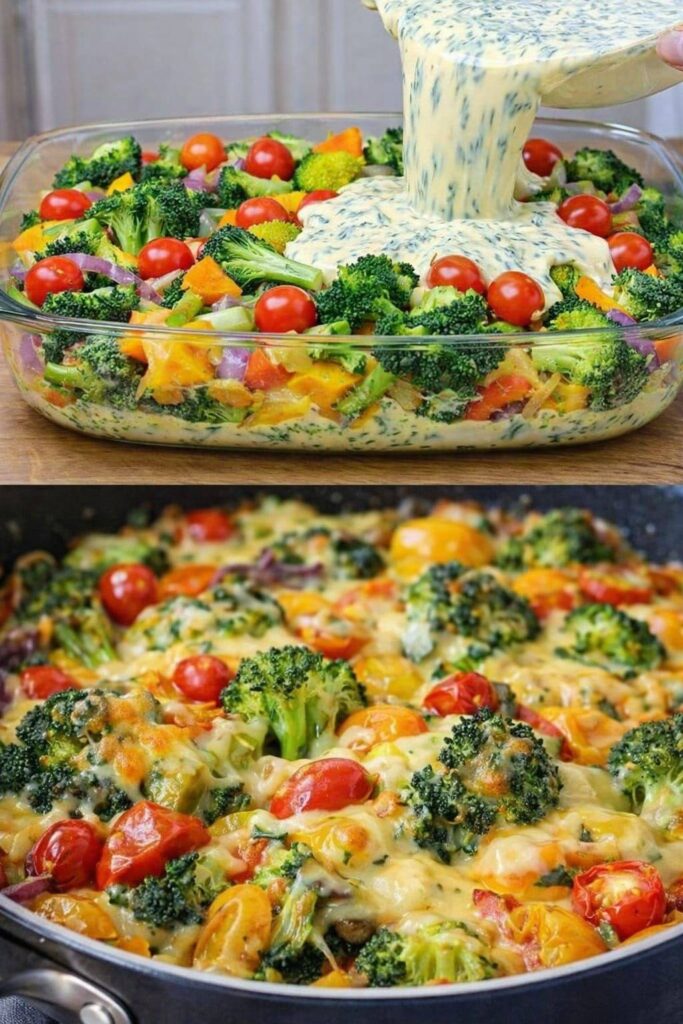
In a large mixing bowl, combine the blanched potatoes and carrots with the fresh broccoli florets. Pour the creamy sauce that you just made over the vegetables and use a large spoon to toss everything together. Make sure that every piece of vegetable is well coated in the sauce so that the flavors are evenly distributed. Once everything is mixed, pour the vegetable mixture into your greased baking dish and spread it out evenly with your spoon. Now, take the shredded cheddar cheese and sprinkle it generously over the top of the vegetables. The cheese will melt down into the gaps and create a gooey and delicious layer. In a small bowl, mix the breadcrumbs with the remaining melted butter and then sprinkle this mixture over the top of the cheese. This will give your casserole that signature crunchy finish that everyone loves.
The Baking Process
Place the baking dish into the center of your preheated oven. Let the casserole bake for about twenty five to thirty minutes. During this time, the sauce will bubble up around the vegetables and the cheese will turn into a beautiful golden brown color. You will start to smell the herbs and the toasted breadcrumbs filling your home. You can check if it is done by poking a fork into a potato or a carrot to make sure they are soft and easy to pierce. If the top is browning too quickly but the vegetables are still a bit firm, you can cover the dish loosely with a piece of aluminum foil for the last few minutes of baking. Once the casserole is finished, carefully remove it from the oven using oven mitts and set it on a heat safe surface.
Letting It Rest
It might be tempting to scoop out a big portion of the casserole immediately, but it is best to let it rest for about five to ten minutes before serving. Letting the dish sit allows the sauce to thicken up even more and makes it easier to serve neat portions that do not fall apart. This resting period also gives the flavors a final chance to settle together. Once the time is up, use a large serving spoon to plate the casserole and enjoy the fruits of your labor. You now have a beautiful, home cooked meal that is ready to be shared with your favorite people.
Why This Recipe Is Special
This vegetable casserole recipe stands out because it is designed with both the cook and the eater in mind. It is special because it takes simple and affordable ingredients that you can find at any local market and transforms them into something that feels fancy and gourmet. The combination of different vegetables provides a visual appeal that is bright and inviting, making it a centerpiece for any dinner table. Furthermore, this recipe is very forgiving, which means that even if you make a mistake with the measurements or the timing, it will likely still taste amazing. It is a great confidence builder for people who are just starting their journey in the kitchen.
From a health perspective, this dish is a powerhouse of nutrition. You are getting a massive dose of Vitamin A from the carrots, which is great for your eyes and skin. The broccoli provides Vitamin C and Vitamin K, which are essential for your immune system and bone health. Potatoes give you the energy you need to get through your day and are a great source of potassium. By baking these vegetables in a sauce, you are locking in many of the nutrients that might otherwise be lost if you were to boil them for a long time. It is a smart way to feed your body well while still enjoying every single mouthful.
The taste profile of this casserole is also very unique. You get the sweetness of the cooked carrots, the earthy flavor of the broccoli, and the mild, buttery taste of the potatoes. The sharp cheddar cheese adds a salty and tangy kick that brings all those flavors together, while the dried herbs like thyme and oregano add a layer of complexity that makes the dish taste like it was prepared by a professional chef. The contrast between the creamy interior and the crunchy breadcrumb topping provides a sensory experience that keeps you coming back for more. It is a dish that satisfies all the different parts of your palate.
Extra Tips for Better Taste
If you want to take this casserole to the next level, there are several creative things you can try to improve the taste and texture even further. One idea is to experiment with different types of cheese. While cheddar is a classic choice, you could use Gruyere for a more nutty and sophisticated flavor or Monterey Jack if you want something that melts very smoothly. You can even mix a few different kinds of cheese together to create a custom blend that is unique to your kitchen. Another great tip is to add some fresh herbs at the very end of the cooking process. Sprinkling some fresh parsley or chives over the top of the hot casserole adds a pop of color and a burst of freshness that cuts through the richness of the cream and cheese.
For those who enjoy a bit of spice, you could add a pinch of red pepper flakes to the sauce while it is simmering. This will give the dish a subtle heat that wakes up the taste buds without being overwhelming. If you want to add more texture, you could stir in some toasted walnuts or sliced almonds with the breadcrumb topping. The nuts will get even crunchier in the oven and add a wonderful earthy flavor to the dish. You can also vary the vegetables based on what is in season. In the autumn, you might consider adding some cubes of butternut squash or sweet potato for a sweeter and more seasonal version of the dish.
Another way to boost the flavor is to use a high quality vegetable broth instead of part of the cream. This can make the sauce taste deeper and more savory while also making the dish a bit lighter. If you have some extra time, you can also roast the garlic in the oven before mincing it and adding it to the sauce. Roasted garlic has a much milder and sweeter flavor than raw garlic and will give your casserole a professional touch. Finally, always make sure to season each layer. Adding a little bit of salt and pepper directly to the vegetables before you add the sauce ensures that every part of the dish is seasoned perfectly from top to bottom.
Final Thoughts
Making a vegetable casserole is more than just following a set of instructions to put food on the table. It is about creating a moment of peace and satisfaction in your busy life through the act of cooking something wholesome and delicious. This recipe is a testament to the fact that you do not need expensive ingredients or complicated techniques to make a meal that everyone will remember. It is a dish that invites creativity and encourages you to make it your own by adding your favorite vegetables and spices. As you sit down to enjoy this warm and cheesy meal, take a moment to appreciate the colors, the textures, and the love that went into preparing it. Whether you are eating alone after a long day or sharing it with a large group of friends, this casserole is sure to bring a smile to your face and a sense of comfort to your soul. Happy cooking and enjoy every bite of your wonderful creation.
Nutrition Details
Below is a general guide to the nutritional content of this vegetable casserole. Please remember that these numbers are estimates based on the ingredients listed above and can change depending on the specific brands or quantities you choose to use.
| Nutrient Type | Amount Per Serving |
| Calories | 350 calories |
| Total Fat | 22 grams |
| Saturated Fat | 14 grams |
| Cholesterol | 65 milligrams |
| Sodium | 480 milligrams |
| Total Carbohydrates | 28 grams |
| Dietary Fiber | 5 grams |
| Sugars | 4 grams |
| Protein | 12 grams |
| Vitamin A | 110 percent of daily value |
| Vitamin C | 90 percent of daily value |
| Calcium | 25 percent of daily value |
| Iron | 10 percent of daily value |