ADVERTISEMENT
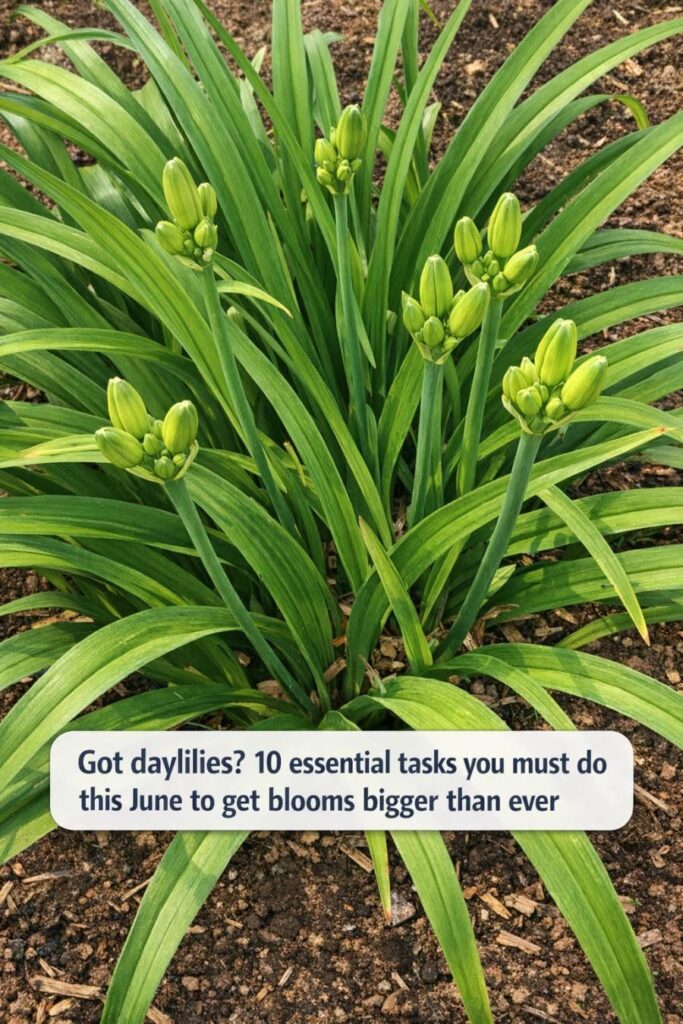
Removing spent blooms, or deadheading, is a simple yet effective way to keep your daylilies looking neat and to encourage the production of new flowers. By removing faded flowers, you prevent the plant from expending energy on seed production, allowing it to focus on creating more blooms.
To deadhead, simply snap off the spent flower just below the bloom. This task is best done daily or every few days during peak blooming season to ensure your daylilies continue to put on a spectacular show.
6. Remove Seed Pods So Plants Focus On Blooming, Not Breeding
In addition to deadheading, it’s important to remove seed pods from your daylilies. Seed pods form after the flowers fade, and if left on the plant, they can divert energy away from producing new blooms.
Check your plants regularly for developing seed pods and remove them by cutting them off at the base of the pod. This will help ensure that your daylilies focus their energy on blooming rather than seed production.
7. Cut Back Foliage Strategically To Encourage Fresh Growth
Trimming back daylily foliage can encourage fresh growth and improve the overall appearance of your plants. After the initial flush of blooms, some of the foliage may begin to look tired or damaged.
Use clean, sharp scissors or pruning shears to cut back the foliage by about one-third, focusing on removing any yellowing or damaged leaves. This encourages new growth and can lead to a second flush of blooms later in the season. Be careful not to cut into the crown of the plant, as this can harm the daylily.
8. Control Pests And Disease Before They Stunt Your Blooms
Keeping an eye on pests and diseases is vital to ensuring your daylilies produce large, healthy blooms. Common pests include aphids, spider mites, and thrips, which can be controlled with insecticidal soap or neem oil. For diseases such as leaf streak or rust, remove affected leaves and increase air circulation by spacing plants appropriately.
Regularly inspect your plants for signs of pests or disease and take action immediately to prevent them from spreading. Maintaining healthy plants through proper watering, feeding, and cultural practices will also help reduce the likelihood of pest and disease problems.
9. Weed Aggressively So Daylilies Don’t Compete For Resources
Weeds compete with your daylilies for water, nutrients, and sunlight, so it’s important to keep your garden beds weed-free. Regular weeding, ideally once a week, will prevent weeds from taking hold and stealing valuable resources from your daylilies.
Hand-pull weeds or use a hoe to remove them, being careful to avoid disturbing the roots of your daylilies. Applying a layer of mulch, as mentioned earlier, can also help suppress weed growth and reduce the need for frequent weeding.
10. Stake, Space, And Support Clumps For Maximum Sun Exposure
To maximize the size and quality of your daylily blooms, it’s important to ensure they receive adequate sunlight. Most daylilies require at least 6 hours of direct sunlight per day to perform their best.
If your plants are in a crowded or shaded area, consider staking or spacing them to improve sun exposure. Use stakes to support taller varieties and prevent them from flopping over. When spacing plants, ensure there is at least 18-24 inches between each clump to allow for proper air circulation and light penetration.
ADVERTISEMENT