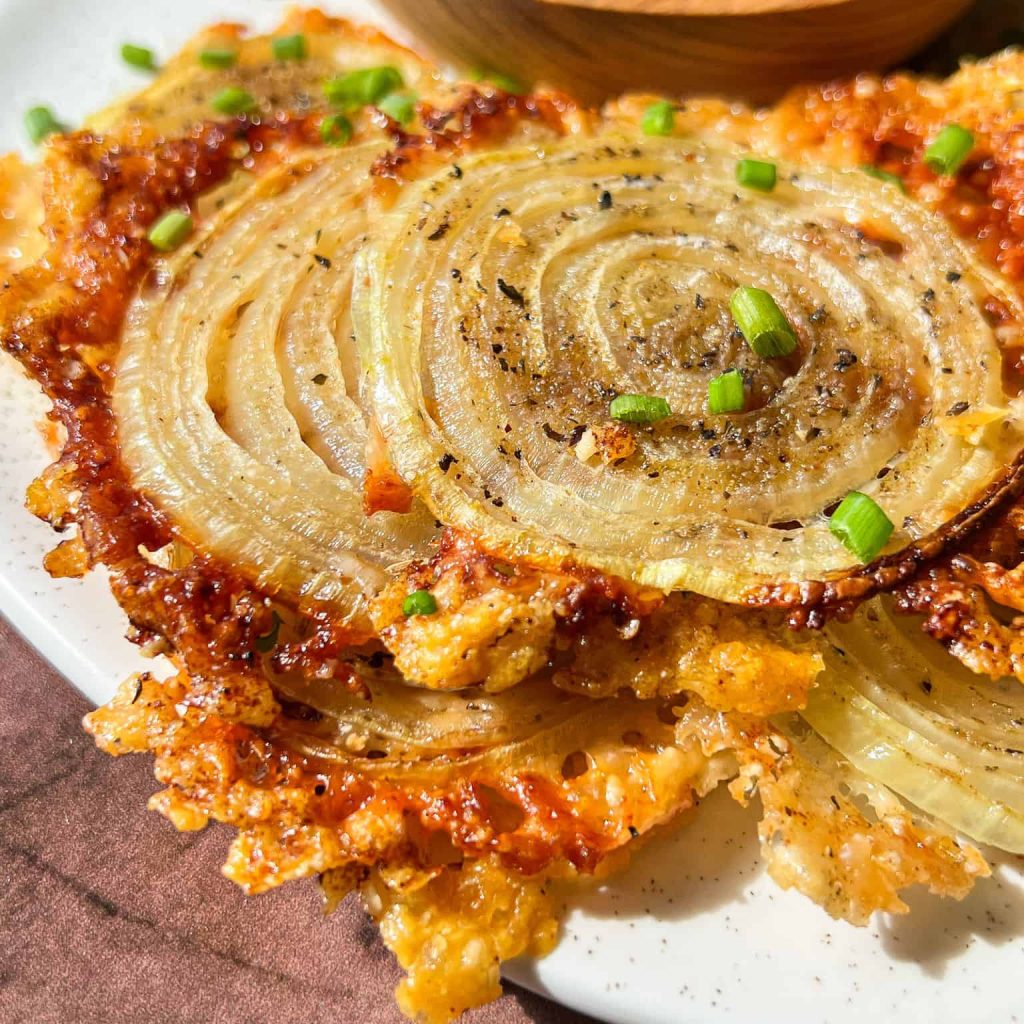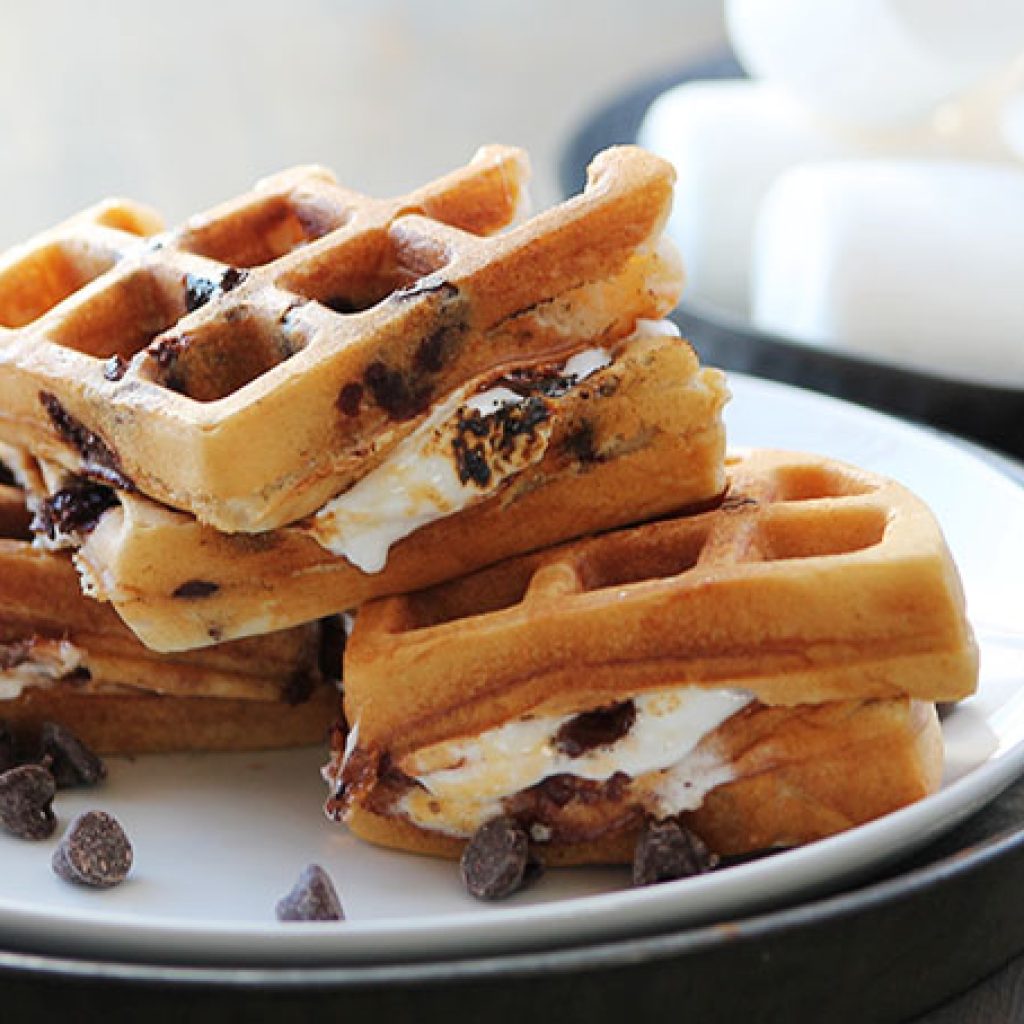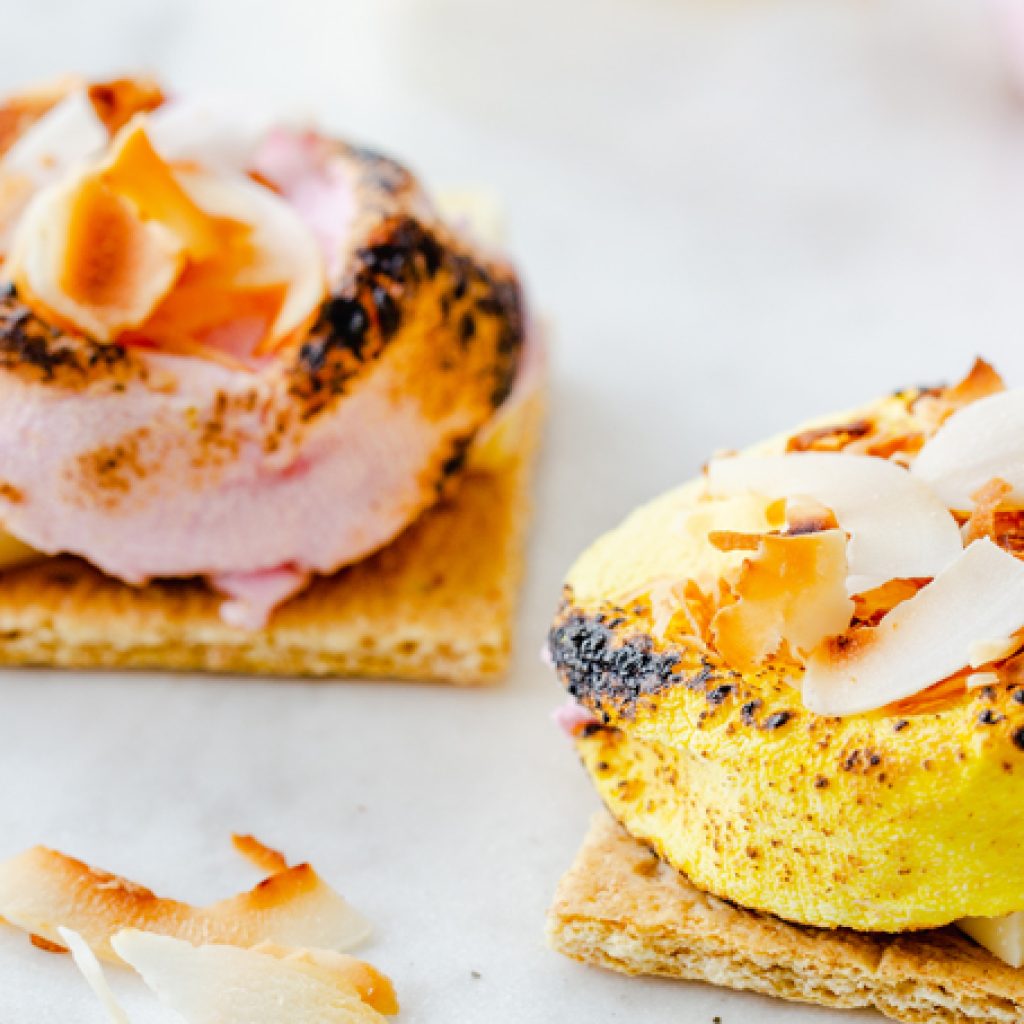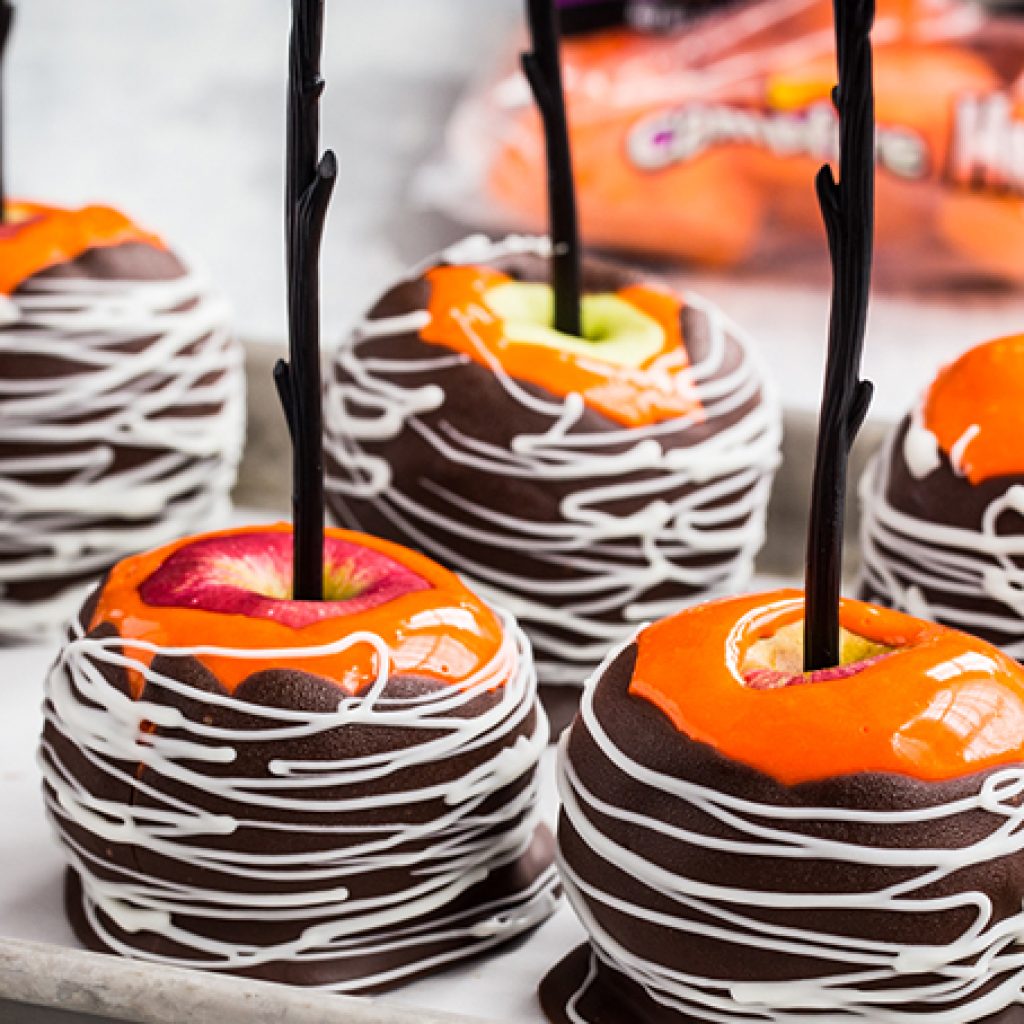
Crispy edges add texture, flavor, and visual appeal to baked dishes. From casseroles to cookies, golden edges create that irresistible crunch everyone loves.
📖 Full Article
✅ Introduction: Why Crispy Edges Matter
There’s a reason we swoon over the corners of brownies, the rim of a golden pie, or the edges of mac & cheese. Crispy edges aren’t just a texture — they’re an experience.
They provide:
-
Contrast to soft centers
-
Visual cues of flavor and doneness
-
A sensory satisfaction that makes every bite more exciting
The crunch at the edge makes you appreciate the dish even more. It’s subtle, yet unforgettable.
✨ The Science Behind the Crunch
Crispiness comes from heat meeting surface:
-
Browning (Maillard reaction): sugars and proteins react, creating flavor and aroma
-
Caramelization: natural sugars in butter, cheese, or fruit develop golden-brown notes
-
Evaporation: moisture escapes from the surface, leaving a crisp exterior
Even a soft, creamy dish benefits when the edges get a little golden magic.
🍰 Applications in Baking and Cooking
-
Cookies & Brownies – The corners often have extra caramelization, giving a perfect balance of chewy and crunchy.
-
Casseroles & Mac & Cheese – Golden edges hold flavor and create a pleasing contrast to creamy centers.
-
Pies & Cobblers – Crust edges get that nutty, buttery crunch that keeps everyone fighting for the first slice.
-
Bread & Pastries – Crisp edges signal a well-baked loaf, enhancing aroma and taste.
Crispy edges are universally loved because they give each bite a story — soft, creamy, golden, crunchy.
🔥 Tips to Achieve Perfect Crispy Edges
-
Brush lightly with butter or oil before baking
-
Bake slightly longer at lower temperatures for even crisp
-
Leave edges exposed to heat, avoid covering too early
-
Use a dark pan for more intense browning
-
Don’t overcrowd the baking dish — air circulation helps crisp
💡 Why We Love Them